There is a peculiar pressure attached to being photographed in an outfit you have worn before. The clothes may still look excellent. The occasion may suit them perfectly. Nothing practical has gone wrong, yet repetition can feel like a failure to provide fresh material. That pressure mistakes a wardrobe for a publication schedule, as though every appearance requires a new edition.
Personal style develops through recurrence. A person learns which shoulder line feels right, which shoes survive an ordinary day and which colors make getting dressed less complicated. Returning to those choices is how preference becomes visible. An entirely new outfit can be exciting, but constant novelty makes it harder to tell what someone actually likes from what they are merely trying on.
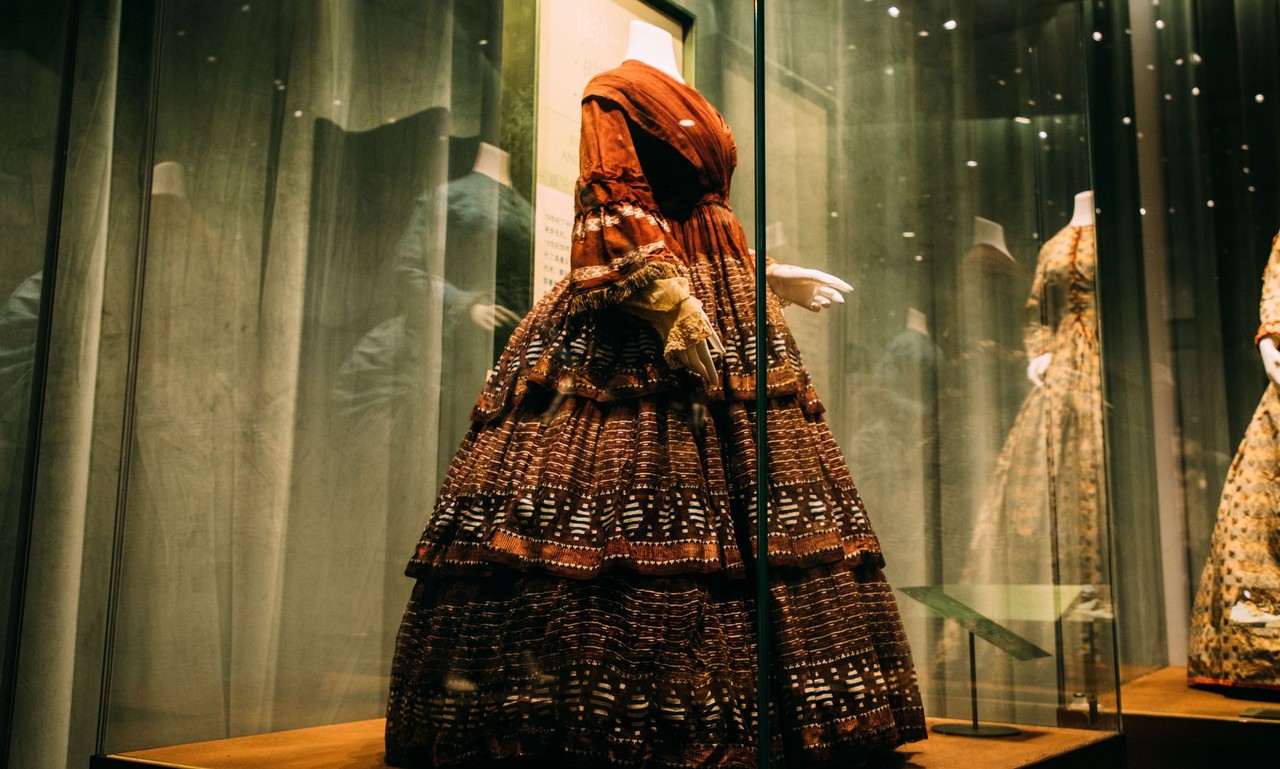
The Metropolitan Museum of Art's Costume Institute preserves and studies clothing as a substantial field of cultural history. Its existence offers a useful reminder that dress carries meaning beyond being the latest thing. A garment can be worth looking at because of its construction, context or relationship to a wearer. Newness is only one possible source of interest, and often a short-lived one.
Repetition also gives you better information. The first wear tests the idea of an outfit. The fifth tests its usefulness. Does the collar behave under a coat? Do the trousers work when you sit for an hour? Does a bag make the whole arrangement awkward? These questions rarely announce themselves in a fitting-room mirror. Familiarity allows practical knowledge to catch up with the initial visual impression.
That does not mean everyone needs a strict uniform or a small, perfectly coordinated wardrobe. Some people enjoy variety as a creative practice, and there is no virtue in forcing them into a formula. The distinction is between choosing variety and feeling obliged to manufacture it. Repeating an outfit should be an available option, free from the sense that it requires an explanation or apology.
If repetition feels stale, change the relationship among existing pieces before assuming the solution is another purchase. A jacket worn open can alter a silhouette. Different shoes can change the degree of formality. Sleeves and hems can affect the balance. These are ordinary acts of styling, and their usefulness comes from attention rather than expense. They let familiar clothes show more of their range.
There is also pleasure in being recognizable. A particular coat, a preferred shape or a recurring color can become part of how friends picture you. Such associations are often warmer than the impression left by an endless series of unrelated looks. An outfit does not lose meaning when people remember it. Sometimes remembering is precisely how it acquires meaning in the first place.
The next time you reach for a combination that already works, consider leaving the decision alone. You have solved a small problem and can spend your attention elsewhere. Wear it again, learn something from it and adjust when you want to. A personal style needs enough continuity for a person to emerge. Giving familiar clothes another day is one way to let that happen.
Sources & further reading
Analysis by Inscriber Editors. This article was prepared with AI assistance and links to the source material used for factual context.