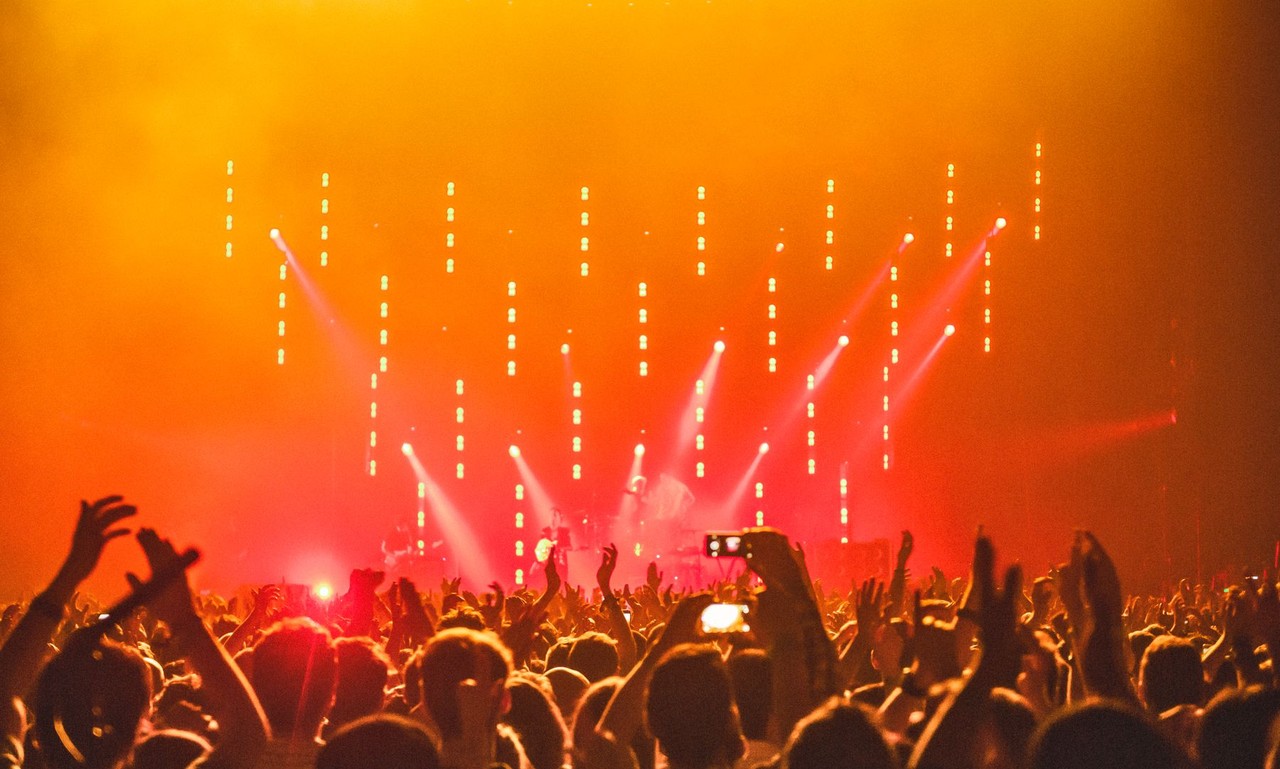
The difficult thing about filming a concert is deciding when the important part has arrived. The opening might be essential. So might the chorus, the guest appearance, the unexpected song or the moment the singer turns toward your section. Once the phone is up, putting it down can feel like making a prediction you are not qualified to make: nothing better is about to happen.
There is nothing inherently shallow about wanting a record of a night you enjoyed. A short clip can bring back the atmosphere more vividly than a ticket tucked in a drawer. It can also let someone who could not attend share a piece of the experience. The trouble begins when documenting the show becomes a separate performance, with its own standards of framing, steadiness and completeness.
A recording and an experience are different objects. The Library of Congress offers access to concert recordings among its online resources, demonstrating how a performance can have a meaningful life after the room empties. But a deliberately preserved recording and a clip made from behind another person's shoulder serve different purposes. Your phone does not have to become the definitive archive of an evening to justify having been there.
The most memorable details may be the ones a camera handles badly. A friend recognizing a song half a second before you do. The collective breath before a familiar line. The sensation of bass moving through a room. Even a technically excellent video translates those things rather than containing them. That is not a failure of the device. It is a difference between watching evidence and occupying a place.
The choice need not be all or nothing. Decide what you actually want to keep before the show starts: perhaps a brief view of the stage, a photograph with your friends or a portion of one song. If venue rules and the performer permit recording, capture that and stop. A small intention is easier to satisfy than the impossible assignment of making sure no meaningful second escapes.
There is also the matter of everyone else's view. A screen held high becomes part of the visual environment for people who did not choose it. That does not make its owner a villain, but it does make the decision social. A live audience is a temporary arrangement among strangers. Small acts of consideration can determine whether the room feels like a shared occasion or a collection of competing personal productions.
Memory is allowed to be incomplete. You may forget the exact set list and retain the feeling of a song you did not expect to love. You may remember a terrible sound mix with affection because of who stood beside you. These are not unreliable substitutes for the real event. They are part of what the event becomes as it enters an ordinary life.
Take the picture if you want it. Save the clip if it matters. Then give yourself permission to experience a portion of the night without preparing it for later inspection. A concert does not become less real because the best moment happened while your phone was in your pocket. Sometimes that is how you knew it was the best moment.
Sources & further reading
Analysis by Inscriber Editors. This article was prepared with AI assistance and links to the source material used for factual context.